
Living in Setagaya-ku
On difference, impermanence, and awareness in daily living

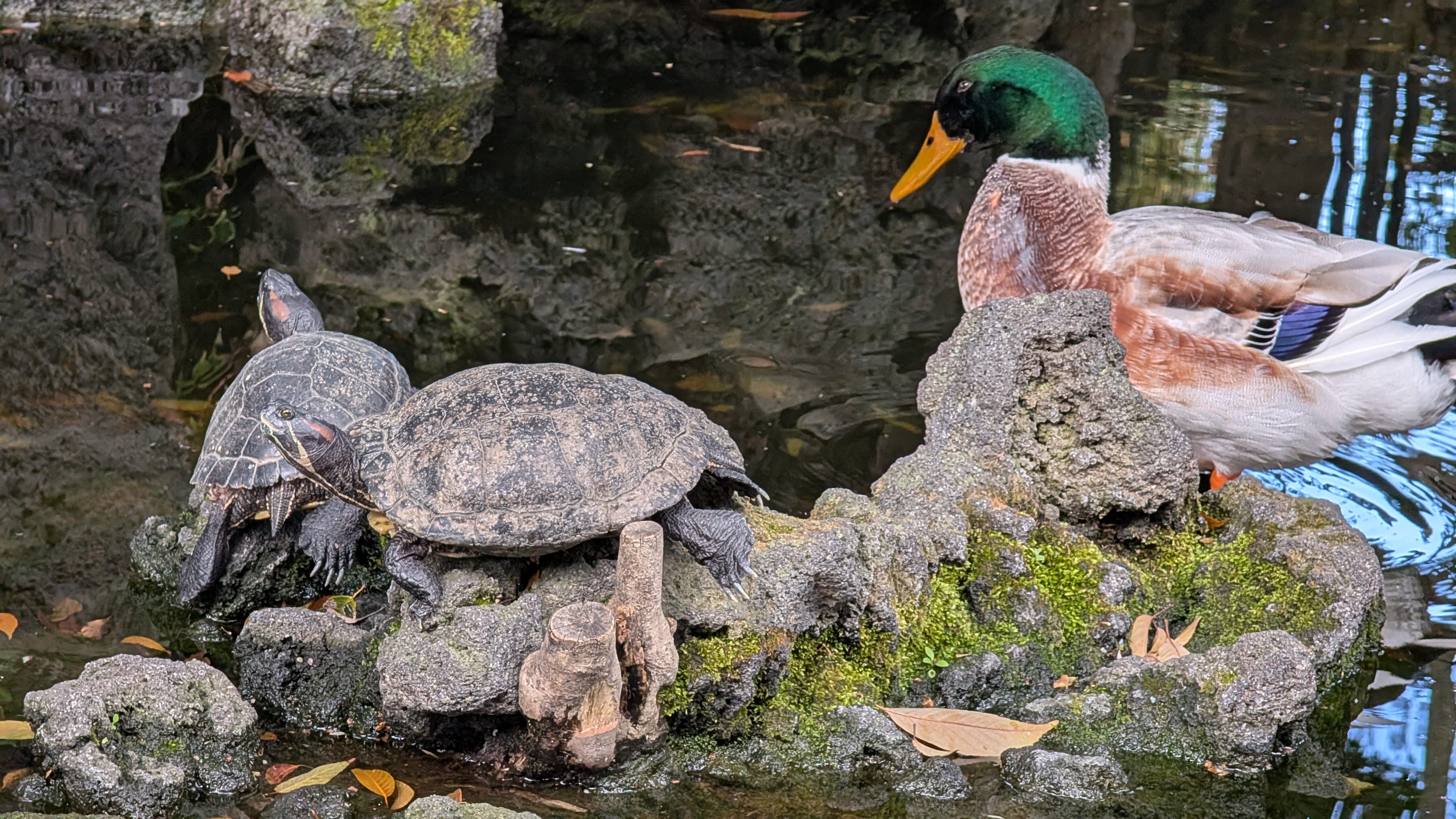
I’m sitting on a bench near a pond in Hachimangu Shrine, watching a male mallard duck stare at two red-eared sliders sunbathing on a rock. It is Friday. A second ago, I considered getting up, but I don’t have anywhere I really need to be. I focus on the sound of the small waterfall, honing in on the noise the water makes when it splashes against the rock. How long has this waterfall been here? This shrine has existed for nearly a thousand years, so I truly have no idea. The corner of my eye catches a rogue koi fish, swimming silently. He seems to have his own routine. I watch him do a couple of laps, and wonder how many laps he’s done in his life in this pond.
I spent the last half of March and the first week of April living in Setagaya City. Setagaya is a special ward in the Tokyo Metropolis in Japan, home to hip cafes, shops, temples, and has a reputation for being one of Tokyo’s most family-friendly neighborhoods. I came back to hang out, support Iyona during her ACL operation, and see more of Japan.
In this piece, I’ll offer my thoughts on living in Setagaya, what it is like day-to-day, and what makes it such a special place.
Returning to Japan
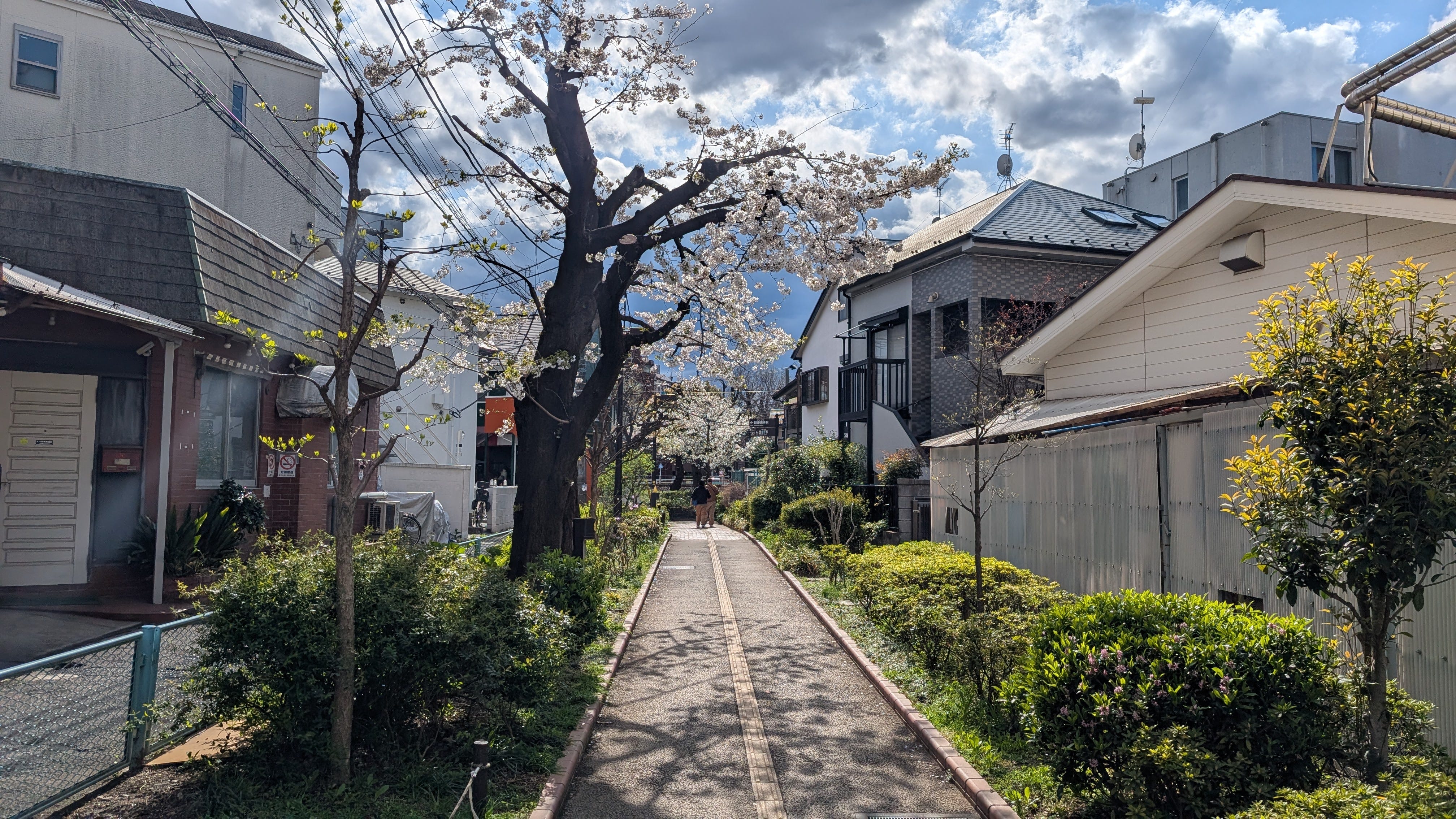
After briefly returning to the United States, and then spending a week in South Korea, I admittedly began to miss Japan. This was unexpected. I had expected to miss the United States, but I ended up being so drawn to how Japan was making me feel that I wanted to go back.
Environments play a huge role in how we think, feel, and operate. When I left Japan in late February for a conference in Denver, I immediately felt different. I stayed downtown in Denver, and felt more unsafe and uneasy in the first 24 hours back than I had the entire time I was in the country of Japan for five weeks.
To save money, I walked a lot in Denver. Walking to get anywhere in Denver is far less common, and the only people you’ll see walking in the city at night are drug addicts and people walking home from the bar. Notably, you almost never see anyone walking alone. The entire week in Denver I never saw a single woman walking by herself at night. It doesn’t feel safe and it is so uncomfortable that it is frankly unbelievable that we’ve come to tolerate this in American cities. There’s no end in sight, and I can’t imagine it will change in the next decade or within my lifetime.
Denver is not an isolated example. This is essentially the case everywhere in the United States with the exception of NYC and some snippets of major US cities. Something so basic, walking and feeling safe walking at night, just isn’t a thing. In the suburbs, you’ll rarely encounter anyone walking at all (so it isn’t that it doesn’t feel safe, it just feels empty). The contrast is stark and hard to get used to once you’ve spent more time in Japan.
Behaviors that are normal when walking alone in an American city come across as paranoid or bizarre in Japan. Once back in Japan, I found myself frequently looking over my shoulder when walking in public at night. People in Japan don’t do this. I rarely saw anyone quickly look behind themselves when walking in public, and I found my own behavior coming across as paranoid or as if I had something I was trying to hide. Japan is so safe, young women can wear headphones at night and walk for hours without worrying about their environment. This would be unthinkable in so many cities in the US.
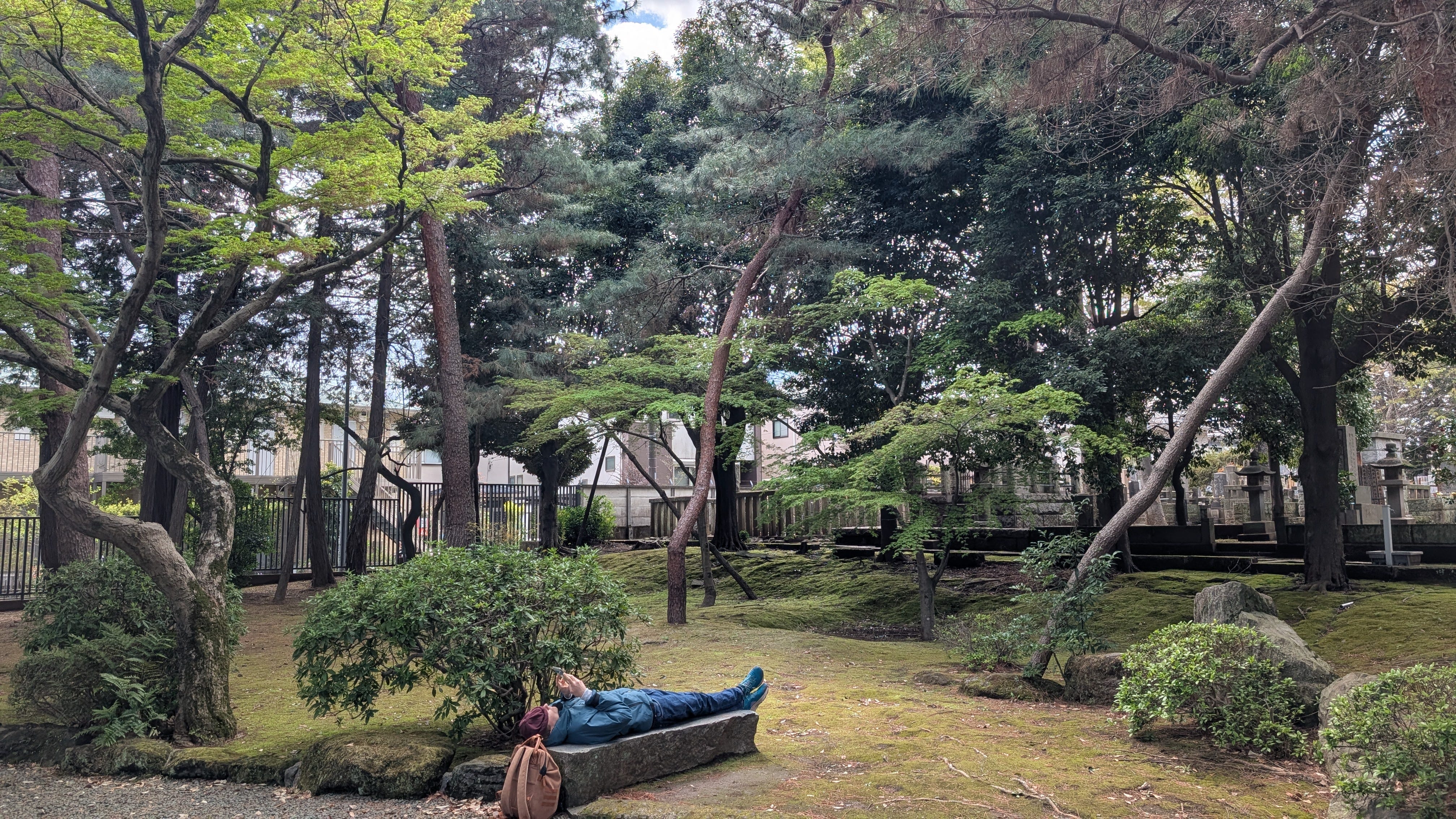
So, when I got back, and returned to Setagaya, I felt my baseline level of anxiety lower within the city. For being one of the most densely populated cities in the world, the people of Tokyo treat each other with such mutual respect it was at times hard to wrap my head around.
Life in Setagaya
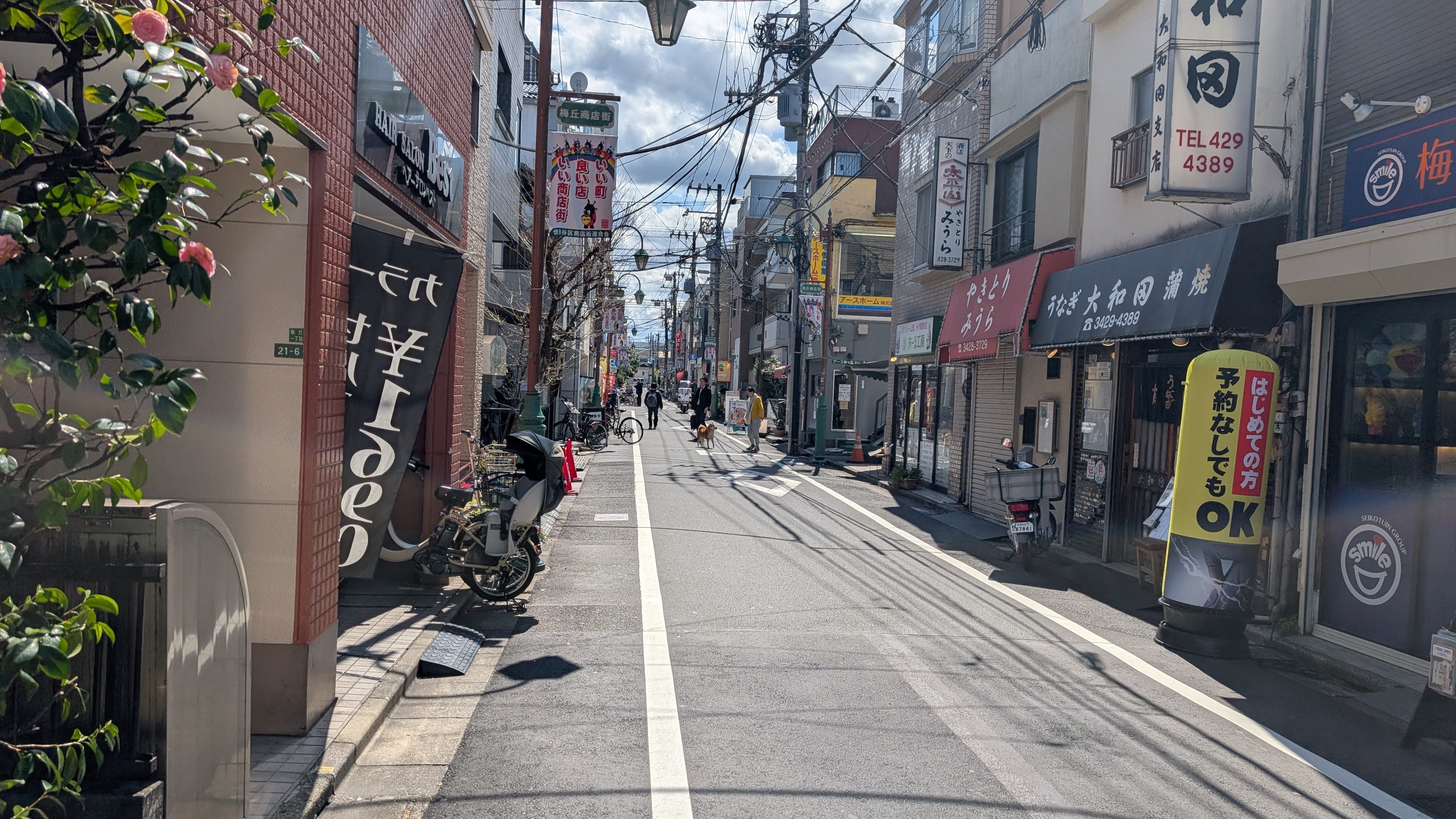
Setagaya is quiet at night. Whisper quiet within the neighborhoods. You could hear a pin drop. No yelling, no SUVs driving around with loud bass at 3am, no gunshots, no impromptu drag races, no fighting, just peace. Using your speakerphone for music in public is unthinkable, and I only encountered it once in Tokyo (it was an American doing it). Noise pollution is taken as seriously as waste pollution, and the cumulative effect this has on your peace of mind is akin to how people often feel when they visit the countryside.
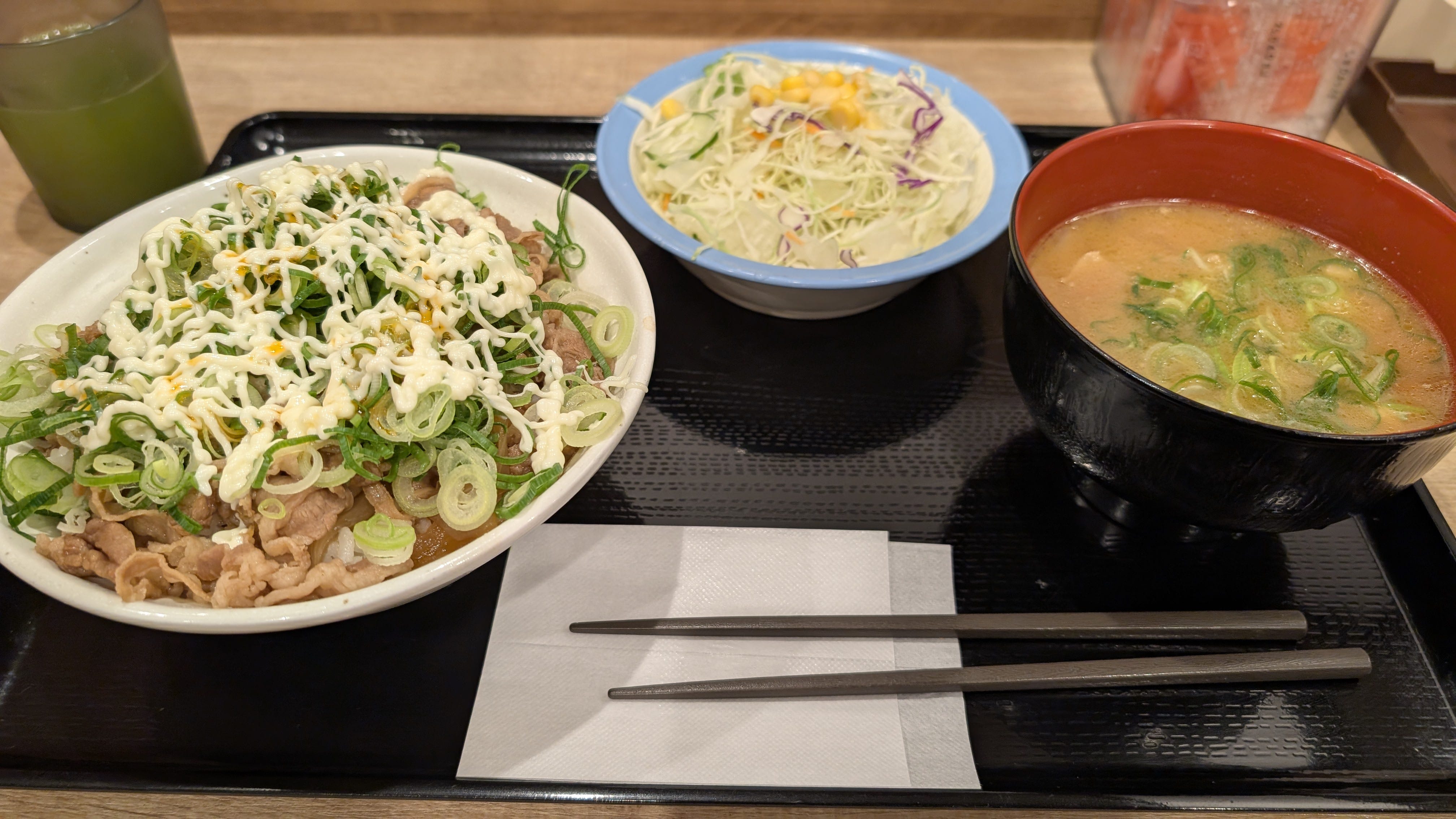
When I first learned about Setagaya, it felt like the ward was rather far away from the major hustle and bustle of Tokyo. This proved to be a misguided assumption, as the Odakyu subway line easily connects Setagaya to Shinjuku and Shibuya. I could get just about anywhere I wanted to go in Tokyo within an hour, without a car, affordably.
The apartment I stayed at was conveniently located near Setagaya-Daita station, and was within walking distance (less than 10 minutes) to the following:
Dozens and dozens of restaurants, representing any cuisine you can think of
Any and every service imaginable – dry cleaning, shoe repair, clothing stores, electronics, onsens, hair salons, supermarkets, coffee shops, a dozen bakeries, etc
Bus routes and subway routes leading to anywhere and everywhere you need to go
Fast and affordable car rental stations within 5 minutes walking distance of the house to quickly jump in a car if you need to leave
Delivery services for anything you can imagine (Amazon is prevalent here and used widely)
Multiple public parks, including Hanegi Park, which has a beautiful plum and cherry blossom garden
Public libraries, public schools, temples, shrines, medical facilities, universities
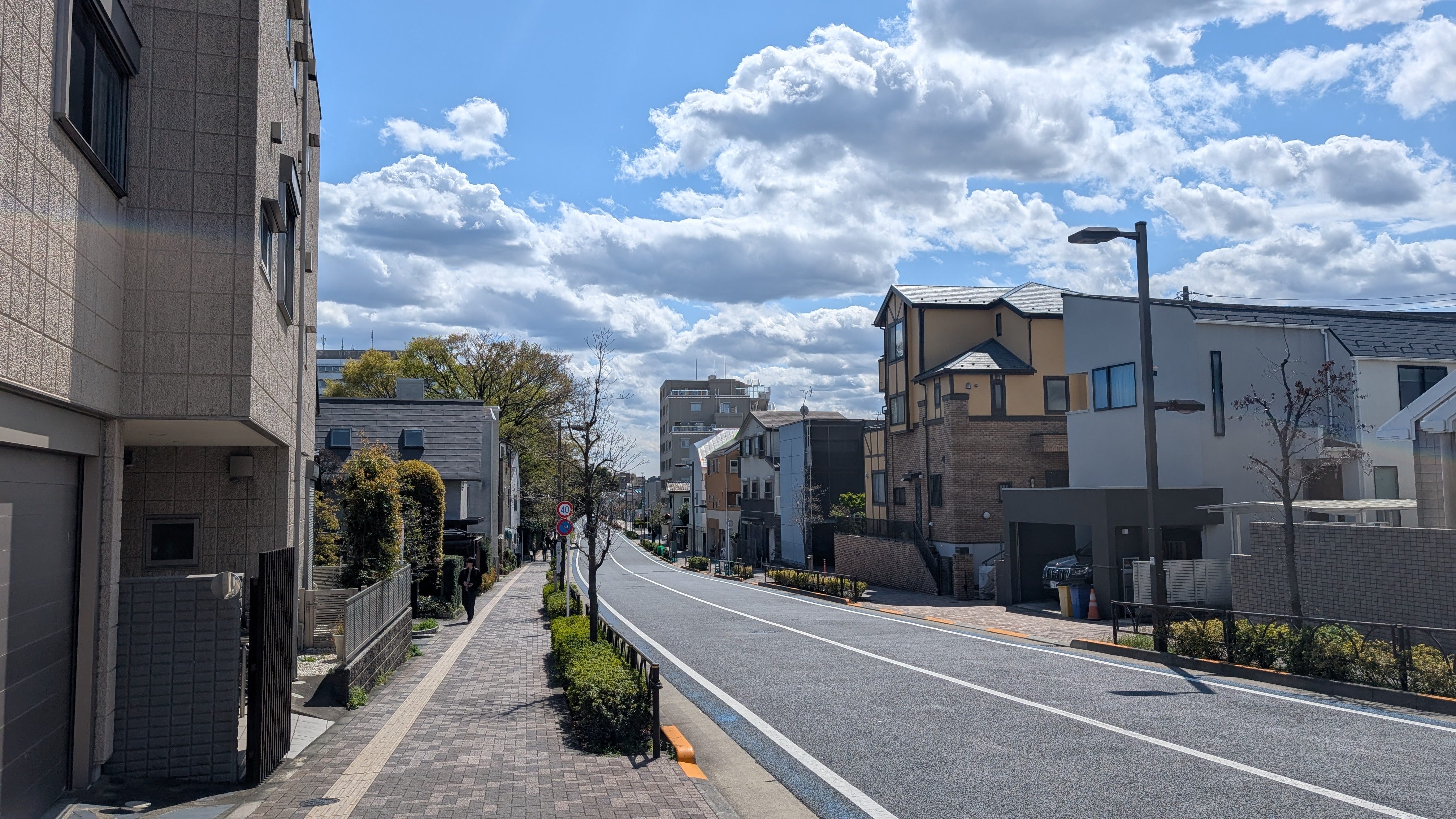
Despite being ‘far away’ from the central part of Tokyo, Setagaya manages to have every conceivable amenity for living. I actually cannot think of things it does not have. This is one of the many reasons why Setagaya is considered one of the best wards for raising a family in Tokyo.
During my time walking around Setagaya, I noticed so many international couples and people who have relocated from all over the world to live here. Many parents do not own cars, and instead opt for bicycles, specifically called mamachari. Mamachari are practical bicycles, extremely popular among mothers in Japan and offer child seats, rear racks, mudguards, and are easy to mount and dismount.
Design, Culture, and Harmony
Setagaya is a smoke-free city, and smoking is banned in most public places. Walking through the city, filled with trees, and seeing mothers riding their bicycles on clean streets, often without a helmet, was such a cultural shock. I distinctly remember walking around Gotokuji station, stopping to think to myself ‘this is so unbelievably nice’.
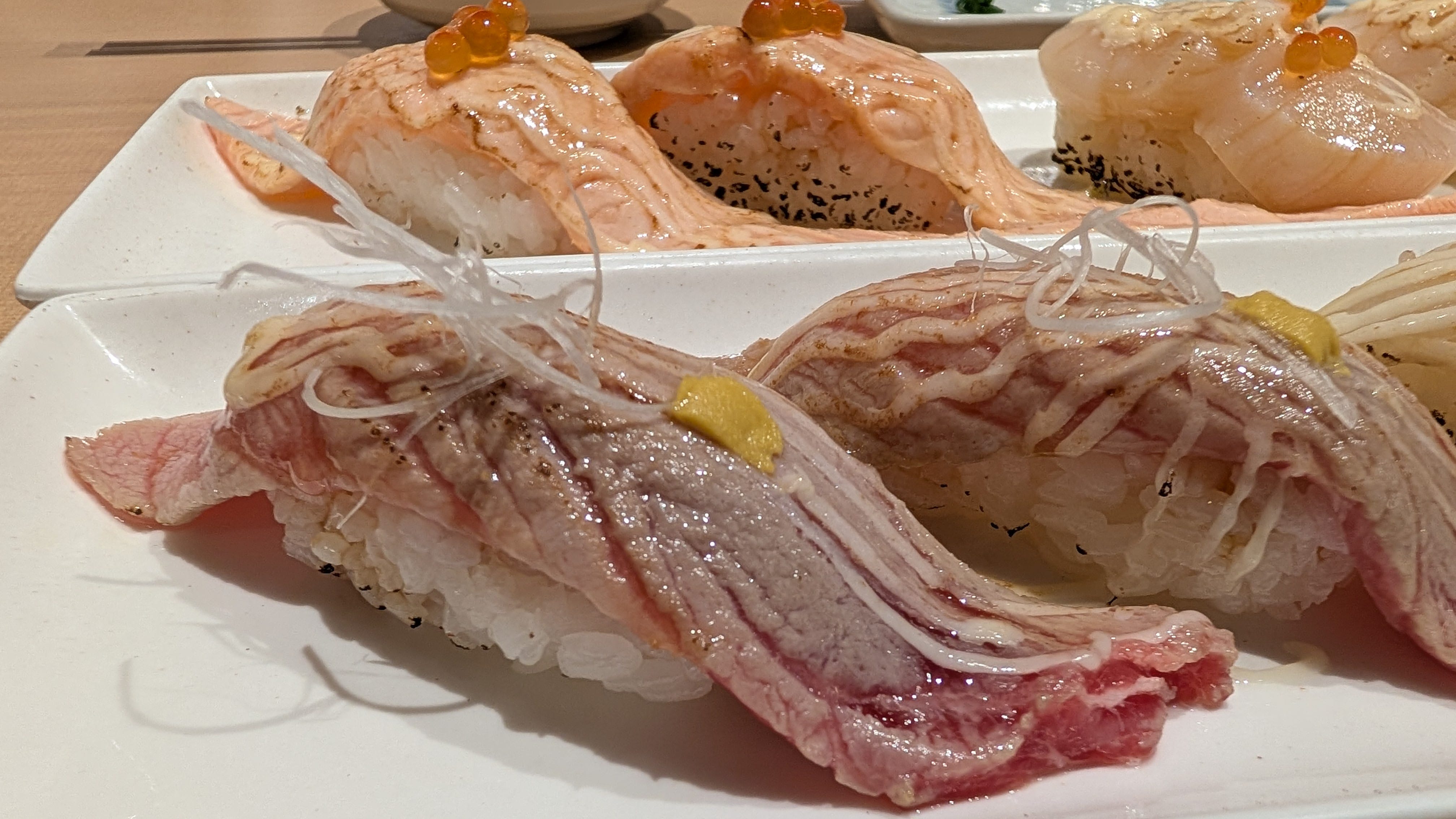
The Japanese have mastered urban living. While I still have minor gripes (car pollution is still a problem) I have yet to come across an urban area that balances convenience with comfort in such a way.
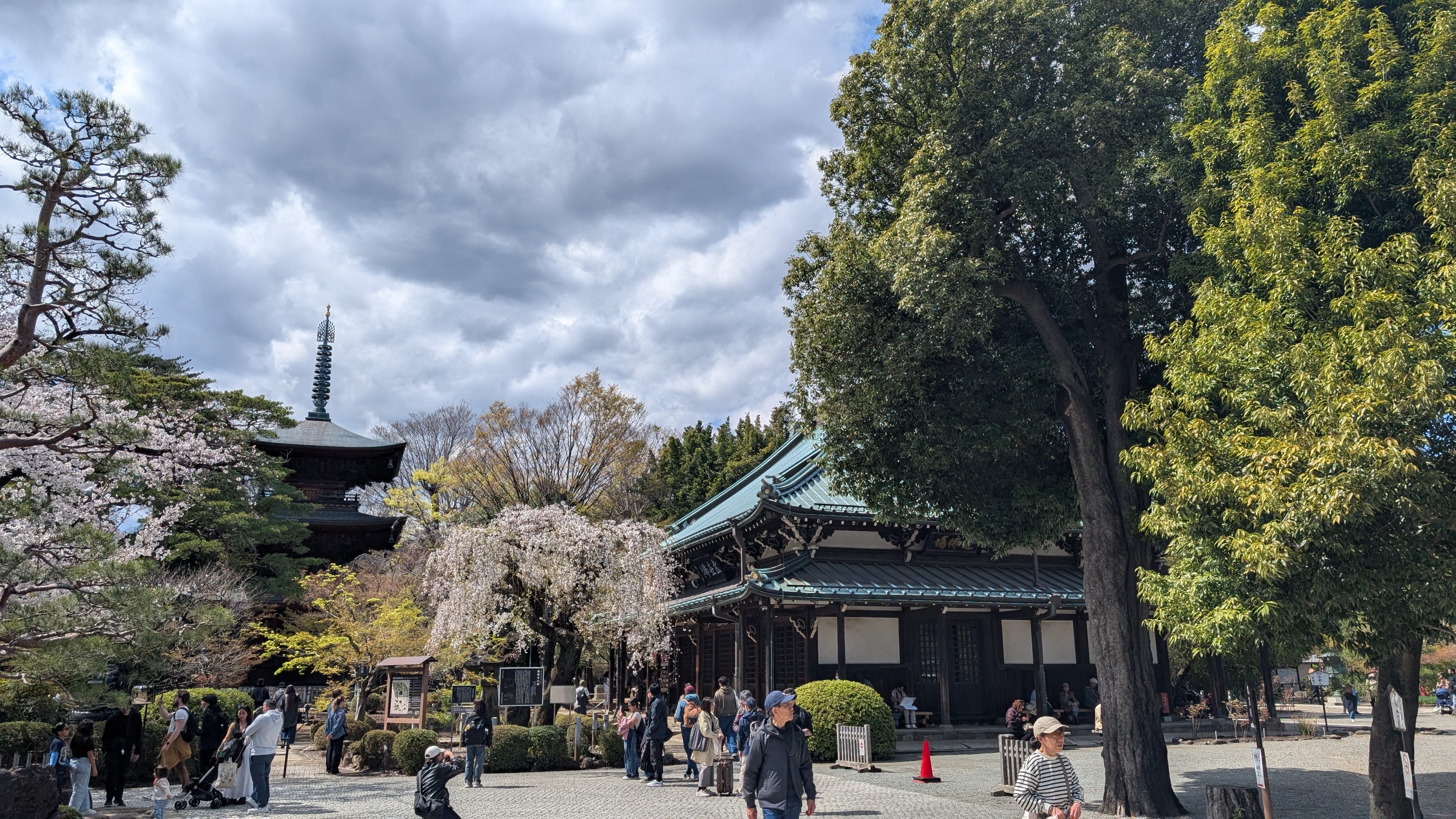
There are many temples, shrines, and parks in Setagaya, but the most famous is Gōtokuji Temple. Gōtokuji is the birthplace of the maneki-neko, the beckoning cat. According to legend, during the early 17th century, Ii Naotaka was invited into the temple by a cat, which led him to safety from a sudden thunderstorm. In gratitude, Naotaka designated the temple as the family temple of the Ii clan, leading to its prosperity.
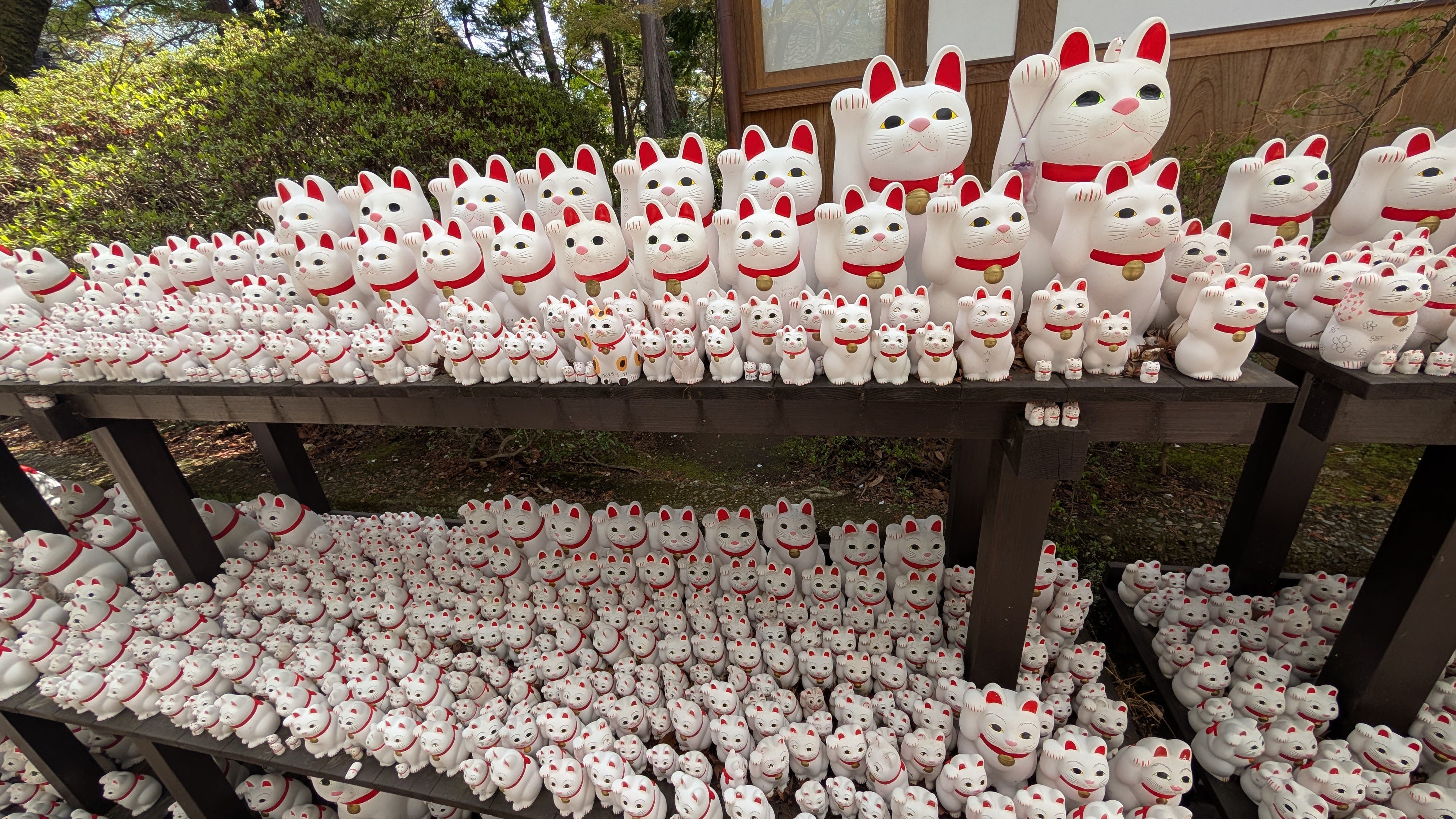
I walked to Gōtokuji on a Friday morning. Many people were visiting to see the cherry blossoms at the temple, which features a three-tiered pagoda. It was calm and tranquil, and the weather was perfect.
Next to Gōtokuji is Hachimangu Shrine, a historical Shinto shrine established in 1091 by the samurai Minamoto no Yoshiie. The shrine grounds feature a traditional sumo wrestling ring, and the tradition continues to this day, with matches held annually during the Autumn festival.
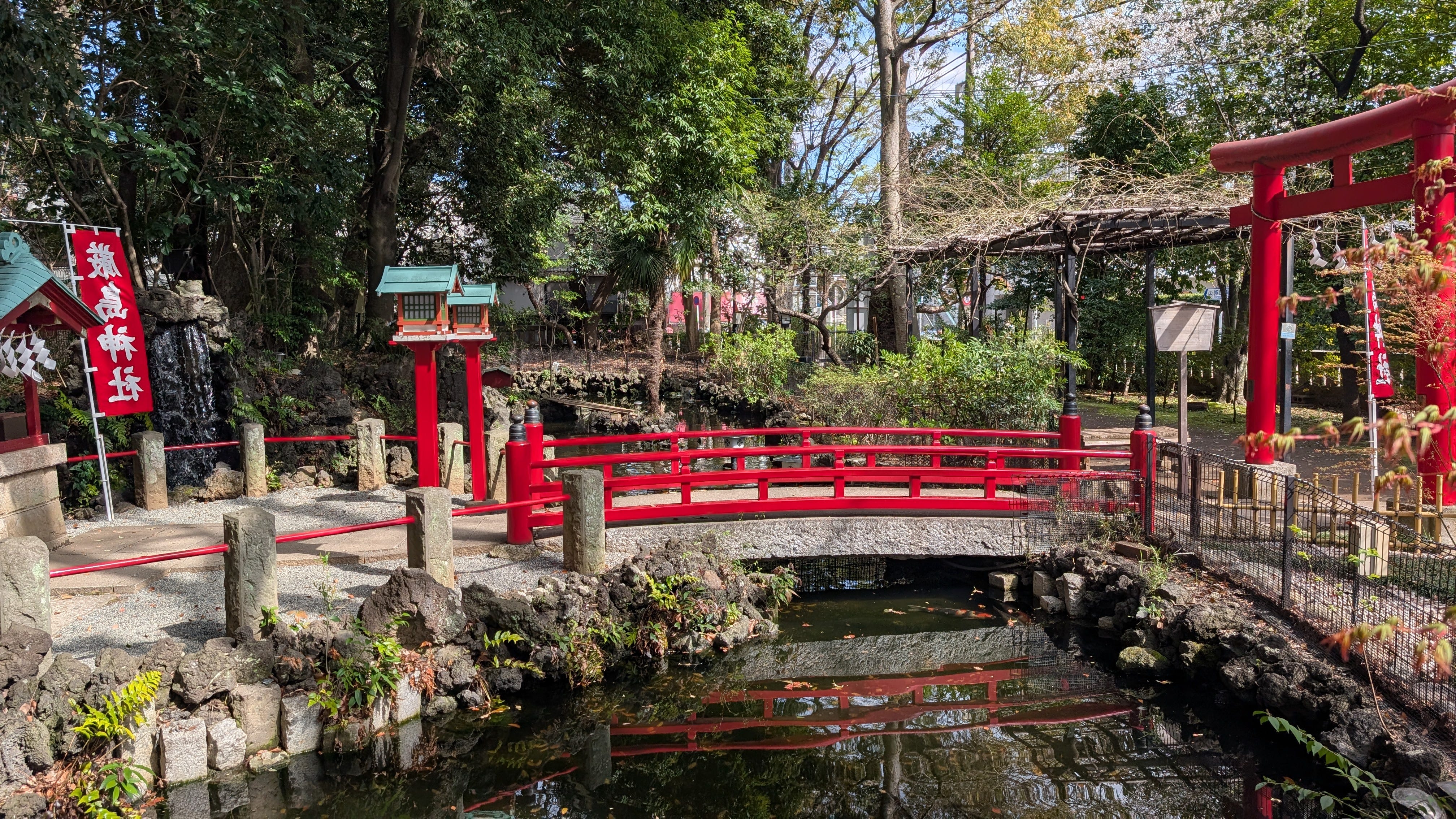
Cherry Blossoms and Mono no Aware
I spent Saturday of this weekend at Yoyogi Park in Shibuya, as it is a popular hanami (flower viewing) location for sakura (cherry blossom blooming). The park features over 600 cherry trees, and has a ton of space for spreading out tarps, hanging out, and enjoying the trees.
Sakura is heavily rooted in Zen Buddhism, and symbolizes the fleeting nature of life, impermanence, and beauty. The term for this is mono no aware (物の哀れ) – the bittersweet awareness of the transience of things.
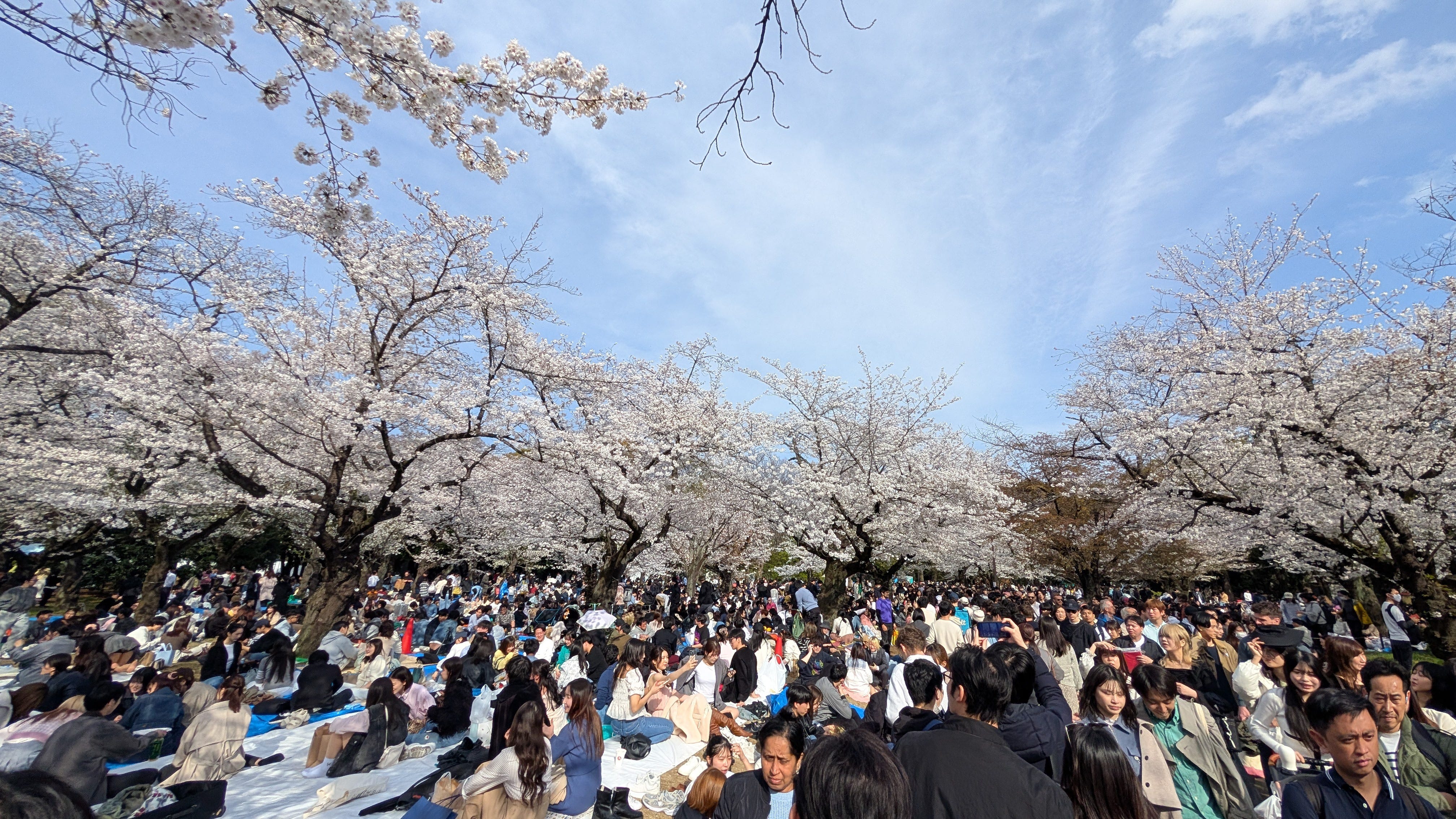
Today, sakura is a national symbol for Japan, and I was glad I was in the country to experience it firsthand. Admittedly, I didn’t understand the hype before going, but now I get it. Sakura blossoms are beautiful, but they only last for about a week. It is a time for people to get together, enjoy food and drinks, and simply be.
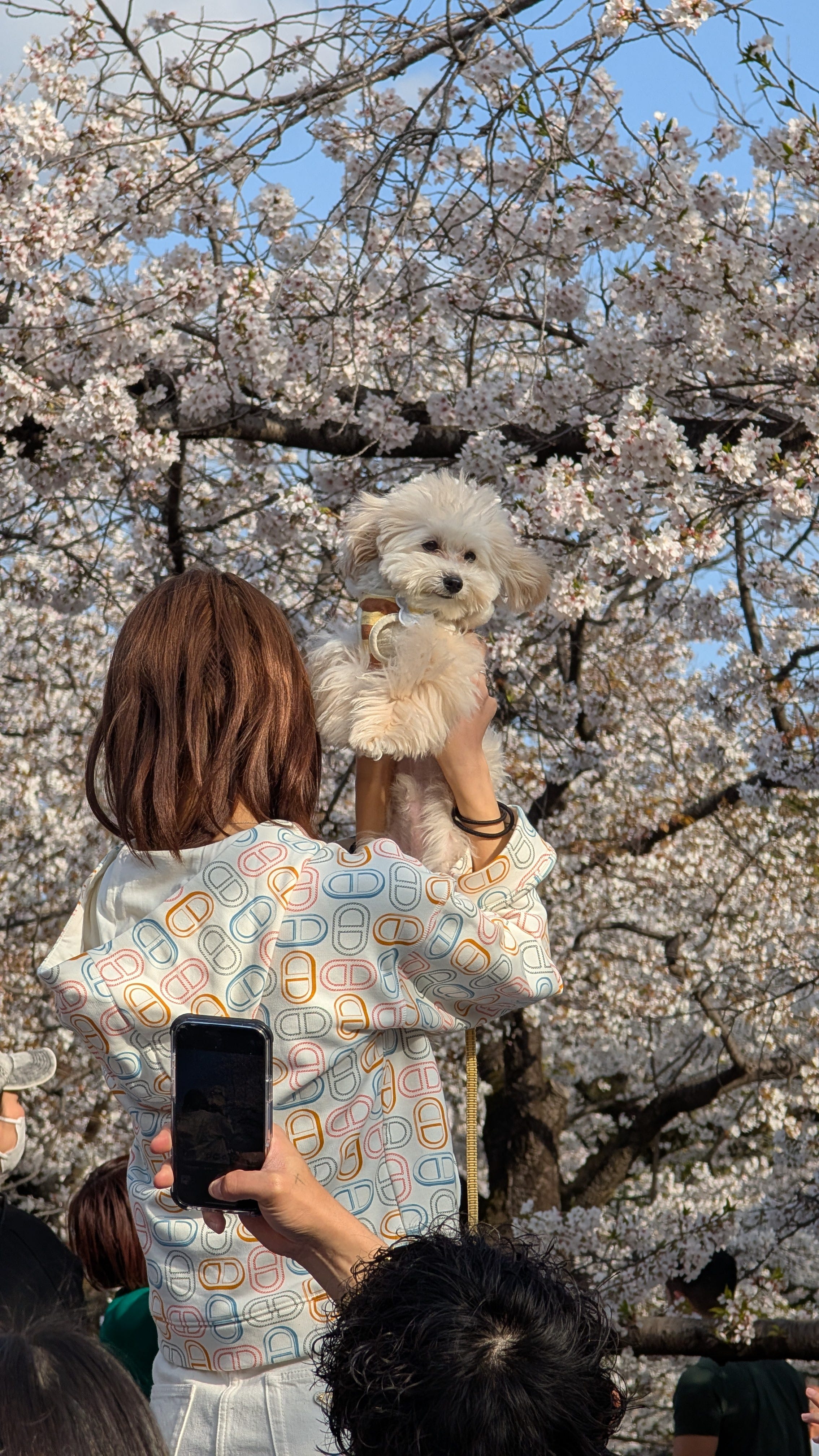
I enjoyed having the opportunity to slow down and live in Setagaya, almost like a local, for over two weeks. There were so many moments in public where I sat down and said to myself ‘this is so nice’ or ‘I can’t believe how nice it is here’. Truthfully, at times it felt criminal. The people of Japan have something that so many people do not: harmony in daily living, cleanliness, safety, and next-level convenience.
Final Thoughts on Setagaya
I’ve spoken to a few Japanese people who want to leave Japan, and say that while it is peaceful, Japanese culture stifles individuality. The grass is always greener on the other side. Many want to leave because they see the ideals of individuality in Europe and elsewhere, and desperately want that in their lives. On the other hand, I’ve spent my entire life in an individualistic society, and found myself craving what they were often overlooking. We both want what the other has.
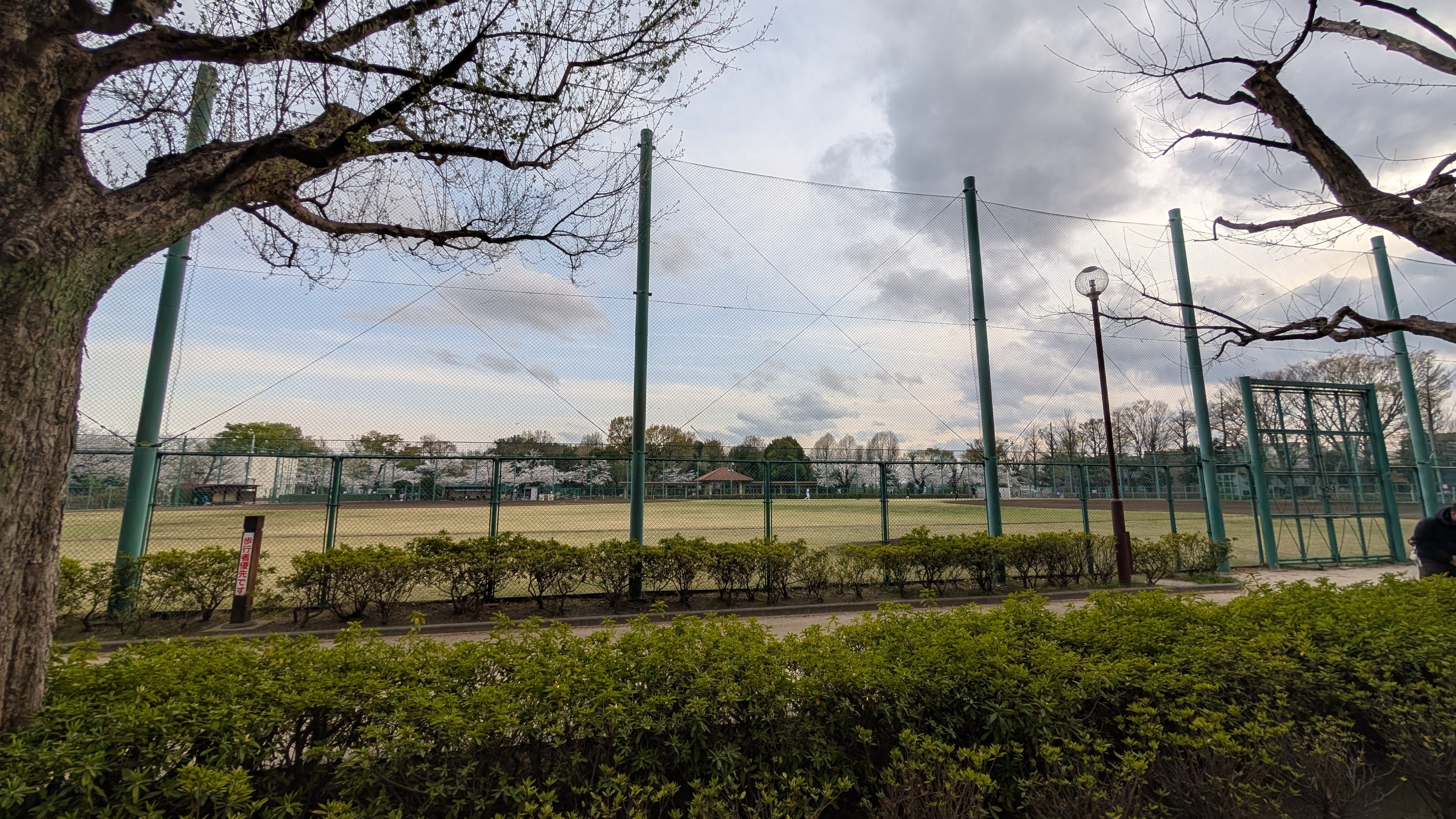
With Tokyo being an international city, I do think that the best of both worlds is here. Now, more than ever, people are coming to Tokyo to do business, travel, and bring different mindsets and ideas to Japan. I don’t want Japan to lose what makes it so special and unique, but I do think that individuality is more possible than ever here. Perhaps you can have your cake and eat it, too.
One thing people always say is that it is different living in Japan than visiting as a tourist. Work culture here isn’t great at a lot of companies. People feel isolated and often overworked. That sucks. I hope Japan can, in time, find a balance. It is so close to being as perfect as one could imagine. And yeah, that’s coming from me, as a foreigner, idealizing the culture.
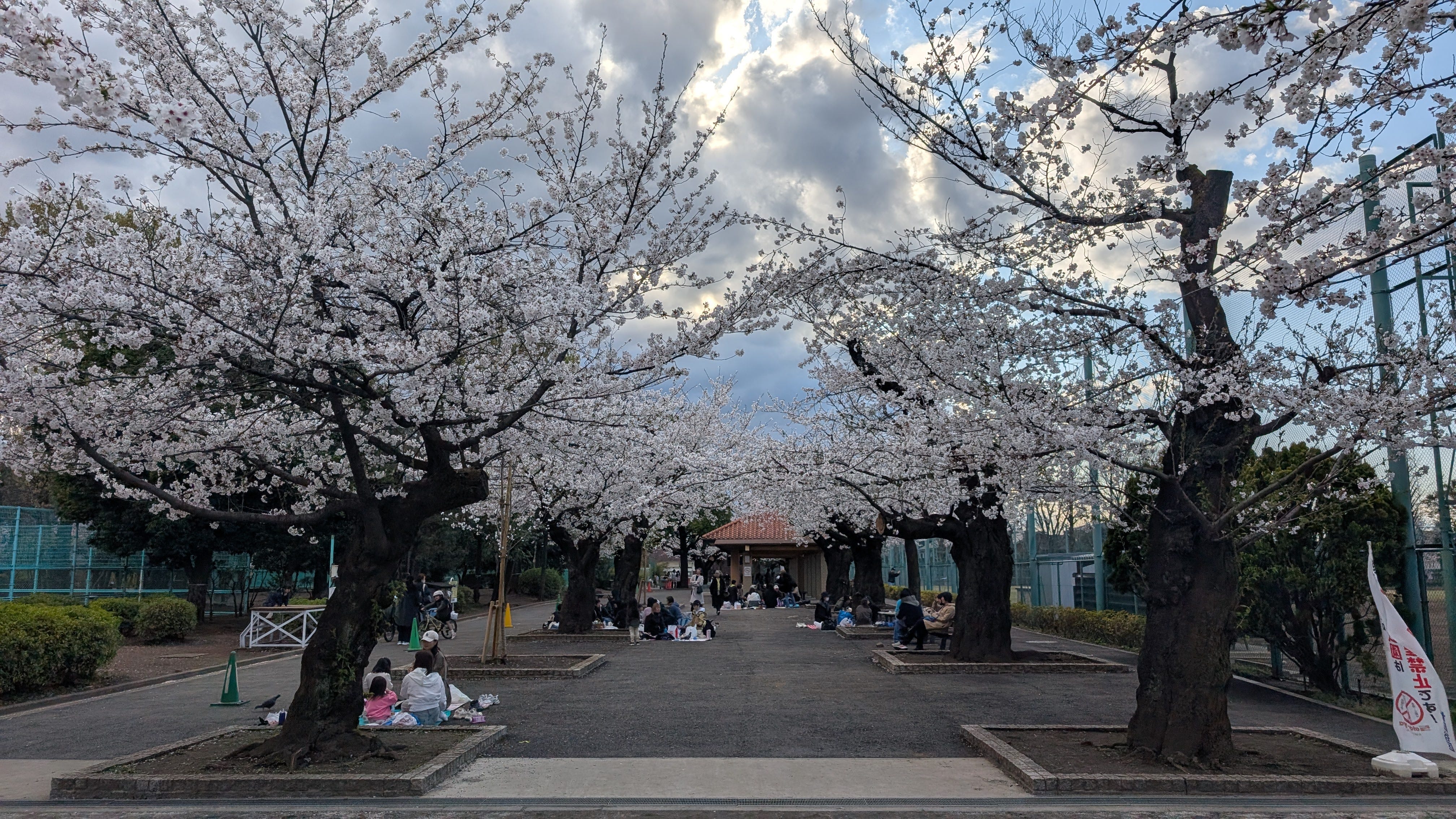
I’m sitting on a park bench, alone, in Hanegi park. The sun is going down, it is getting a little chilly, and I’m staring at a cherry tree while two children chase each other with sticks they found. An old couple, at least in their eighties, walks by slowly, holding hands. A group of friends meet up at the bench next to mine, and they’ve each brought snacks to share and a couple of beers to drink. A young woman with two Akita dogs wearing matching blue shirts, walks past me. I faintly smell barbeque, but I can’t figure out where it is coming from. It smells really good.
I stand up, zip up my jacket, and walk home.
- Chris
I miss living in Setagaya. I'm thinking of moving back after my current lease is up at the end of the year.
my hood. Nice write-up.